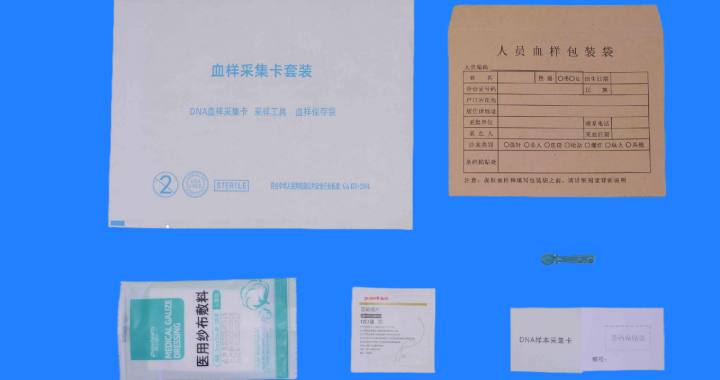
Multi-Test Compatible Blood Collection Card – For Repeat Testing

The Multi-Test Compatible Blood Collection Card is designed for repeat testing and long-term sample preservation. This versatile card is compatible with a wide range of diagnostic tests, making it ideal for clinical settings, research applications, and mobile testing units. It offers reliable sample collection and ensures that blood samples are securely stored for accurate repeat testing, even after extended periods.

Key Features:

  1. Multi-Test Compatibility: Supports various diagnostic tests, allowing for repeat testing from the same sample without the need for new collections.

  2. Long-Term Sample Preservation: Designed to maintain the integrity of the blood sample for extended periods, ensuring reliable results even after months of storage.

  3. High-Quality Collection Material: The card material is optimized to efficiently absorb and preserve blood, making it ideal for testing in different laboratory environments.

  4. Compact and Easy to Use: Convenient design for easy storage and transport, especially suited for mobile collection units or remote clinics.

  5. Sterile and Safe: The card and collection tools are all individually sterilized, ensuring safe and contamination-free sample collection.

Operational Use:

  1. Prepare the Card: Open the package and ensure the blood collection card is sterile and ready for use.

  2. Collect the Blood Sample: Use the provided lancet to collect the blood sample and place it onto the collection card.

  3. Allow to Dry: Let the blood sample dry on the card before sealing it for transport.

  4. Store and Label: Label the card with relevant patient information and store it in a secure, controlled environment for repeat testing.

  5. Test and Analyze: Send the blood sample to the lab for multi-test analysis, confident in the sample’s integrity for repeat testing.

Scope:
This card is ideal for use in hospitals, research labs, mobile diagnostic units, and field clinics where repeat testing from a single sample is required for accurate diagnosis or studies.

Safe Blood Collection & Transport Protocols

Safe and efficient blood sample collection and transportation are critical for accurate medical and forensic analysis. Proper techniques ensure sample integrity, prevent contamination, and maintain the sample’s viability during transit.

Standard Methods for Blood Collection:

  1. Preparation: Ensure all necessary equipment is sterile, including collection tubes, lancets, gloves, and labels. Confirm the patient’s identity before collection to avoid mix-ups.

  2. Collection:

    • Clean the collection site with an alcohol swab to disinfect it.

    • Use sterile lancets or needles to draw blood from the vein or finger.

    • Fill the collection tube according to the required volume. Use tubes with preservatives or anticoagulants as necessary.

  3. Sealing and Labeling: After collection, securely seal the tube and label it with the patient’s information, date, time, and any other relevant identifiers to maintain accurate records.

Transportation Procedures:

  1. Preservation: If the sample requires refrigeration, store it in a cool environment immediately after collection to maintain stability. For non-refrigerated samples, ensure they are kept at room temperature, as instructed.

  2. Leak-Proof Containers: Place the sealed blood sample in a secure, leak-proof container to avoid contamination and prevent spills.

  3. Timely Transport: Transport the sample to the laboratory as soon as possible, preferably within the time frame required by the testing method (e.g., within 24 hours for most blood tests).

  4. Chain of Custody: Document the chain of custody to ensure traceability and prevent tampering during transport, especially for forensic samples.

Key Features:

  • Sterile Collection: Ensures no contamination of the blood sample during collection.

  • Secure Packaging: Leak-proof containers and secure seals ensure safe transport.

  • Temperature Control: Proper storage methods preserve sample integrity.

  • Accurate Documentation: Labeling and chain-of-custody protocols guarantee traceability.

Scope:
These methods are applied in medical diagnostics, forensic investigations, and legal settings, ensuring the accuracy and reliability of blood sample analysis.